Stripe and blockchain startup Tempo launched the Machine Payments Protocol (MPP) on March 18, an open standard that enables AI agents to pay for services, APIs, and goods programmatically, without human intervention.
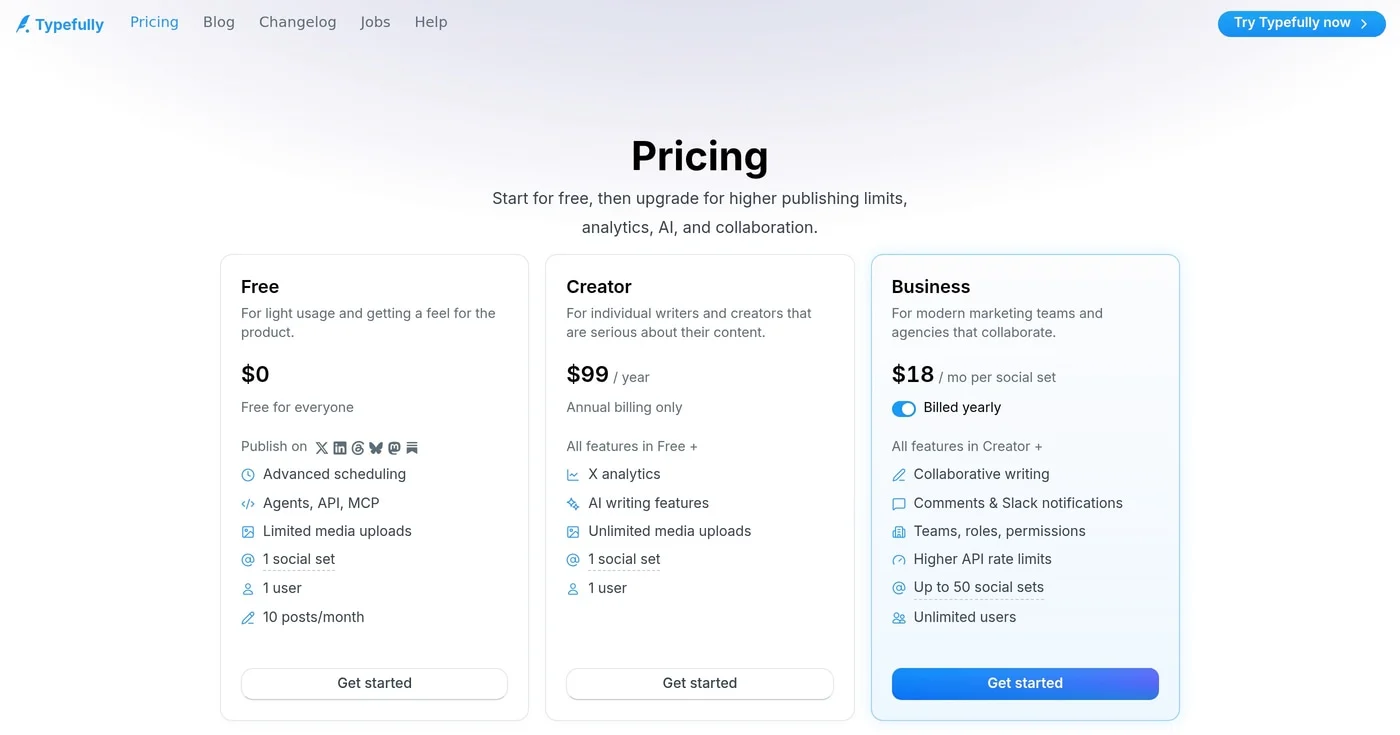
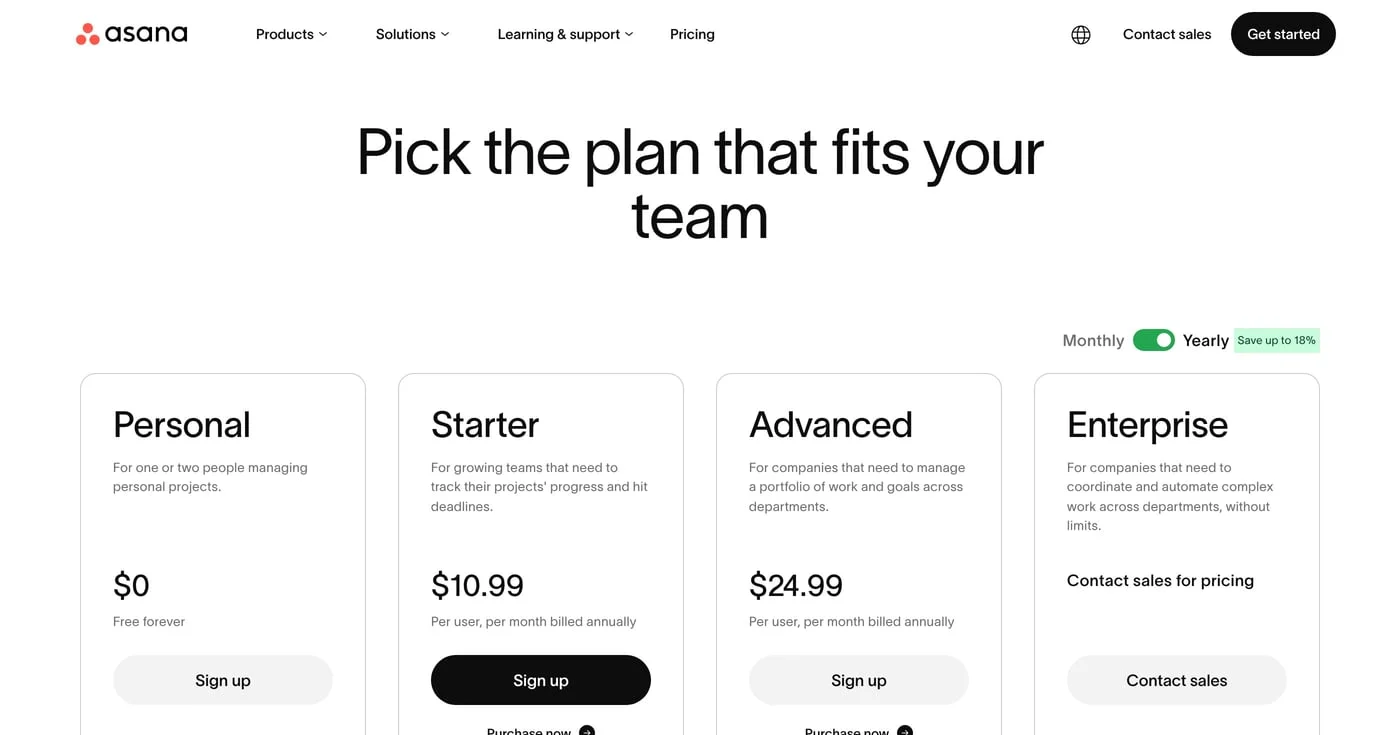
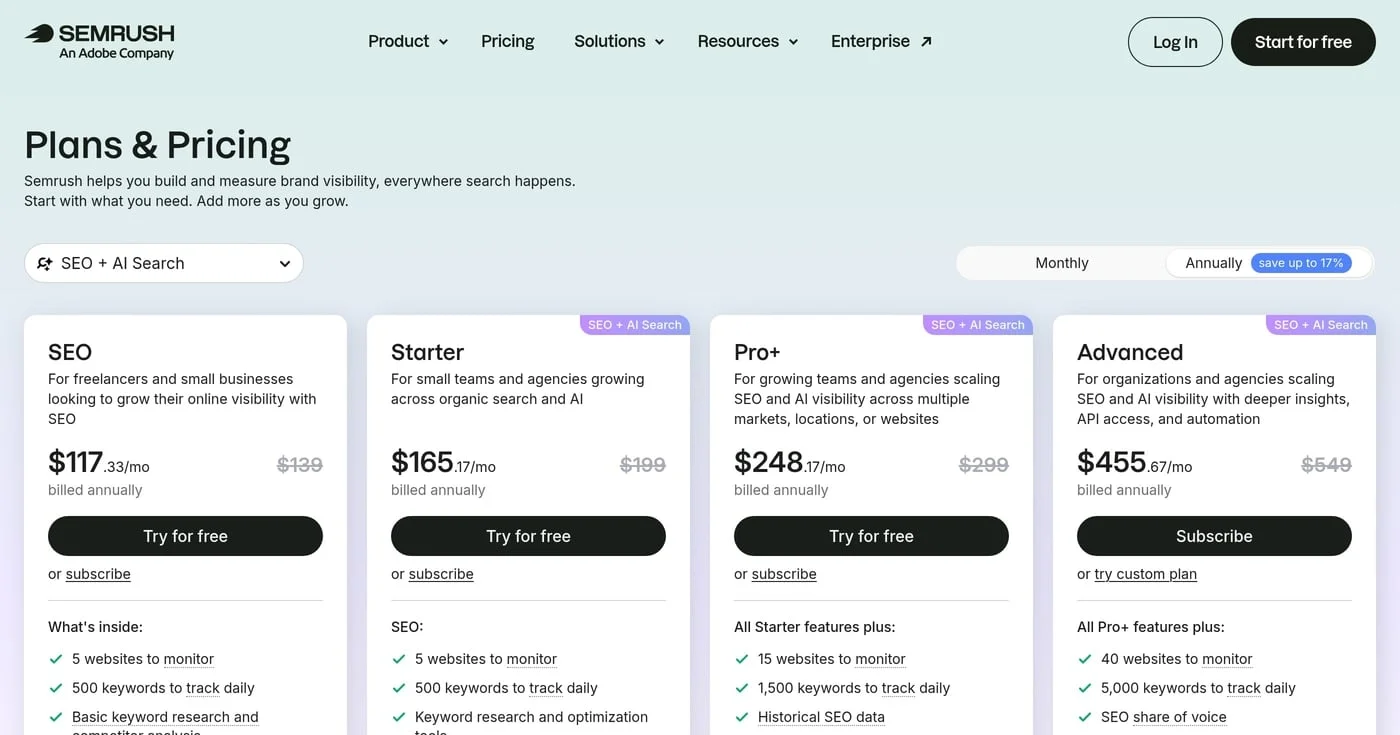
The launch marks a significant infrastructure shift for the payments industry. Where today's financial systems require users to create accounts, navigate pricing pages, select plans, and enter payment details, MPP lets an agent request a resource and settle payment in a single automated exchange, in both fiat currency and stablecoins.
What MPP Does
MPP operates as a request-response protocol. An agent requests a resource from any HTTP-addressable endpoint, an API, a Model Context Protocol (MCP) server, or a regular service, and the service responds with a payment request. The agent authorizes the payment and receives the resource. No account creation. No manual checkout.
Stripe businesses can accept MPP payments through the existing PaymentIntents API with a few lines of code. Payments settle into a business's standard Stripe balance in its default currency, on its existing payout schedule. Tax calculation, fraud protection, reporting, and refunds all apply, the same infrastructure businesses already rely on for human payments.
Payments can be made in fiat via cards and buy now, pay later through Shared Payment Tokens (SPTs), or in stablecoins. Tempo, incubated by Stripe and venture firm Paradigm, raised $500 million at a $5 billion valuation in 2025 to build the blockchain infrastructure supporting MPP's stablecoin rails.
Who's Already Pricing for Agents
MPP is already live on Stripe with several early-stage businesses building agent-native pricing models. Browserbase, a browser infrastructure provider, now lets agents spin up headless browsers and pay per session. PostalForm enables agents to pay to print and send physical mail. A New York sandwich shop, Prospect Butcher Co., accepts agent payments for food orders placed for human pickup or delivery.
The protocol also supports Stripe Climate contributions, agents can now autonomously route a portion of transaction revenue to carbon removal projects.
Parallel Web Systems, whose AI search product was used to research this article, integrated MPP to enable per-API-call billing for agents.
"Parallel is built for a world where agents are the primary users of the web. We integrated machine payments with Stripe in just a few lines of code, and now agents can autonomously pay per API call for web access. This allows us to reach any agent developer in the world on the same Stripe stack we already run on."
Parag Agrawal, founder of Parallel Web Systems (source)
What This Means for SaaS Pricing
MPP has direct implications for how software businesses design their pricing models. The protocol is optimized for microtransactions and usage-based billing, payment structures that today require significant infrastructure investment to implement and that many SaaS companies avoid because of complexity and overhead.
When AI agents become significant buyers, the economics of pricing change. An agent won't respond to annual commitment discounts, free trial friction, or feature-gated upgrade prompts. It will pay for exactly what it consumes, at the moment of consumption, at the price specified in a machine-readable format. That's a different pricing conversation than the one most SaaS teams are having today.
Stripe's 2025 annual letter described agent-native commerce as a strategic priority, noting that the company processes $1.9 trillion in annual volume and that it powers all of the top AI companies. The letter predicted agents would eventually make more payments than humans.
Industry Support and Competition
Visa, Mastercard, Google, Shopify, and Coinbase have signaled support for agent payment standards, according to reporting by Forbes. MPP is not the only protocol competing for this space, Stripe is also participating in the x402 standard, an HTTP-native micropayment protocol built on stablecoins, and has launched its Agentic Commerce Protocol (ACP) and MCP server integrations as part of a broader Agentic Commerce Suite.
The convergence of multiple competing standards is typical of early infrastructure markets. Whether MPP, x402, or a third standard wins as the dominant agent payment layer will depend largely on developer adoption and which reaches critical mass first. Stripe's existing position as the payment infrastructure for 90% of the Dow Jones Industrial Average and 80% of the Nasdaq 100 gives MPP a significant distribution advantage.
What's Next
MPP is available now as an early access product for Stripe users. The protocol's specification is open source, and Stripe has published documentation for developers building agent-facing services.
For pricing strategists and SaaS founders, the more immediate question is whether to start designing machine-readable pricing endpoints now, or wait to see which protocol wins. Given Stripe's reach and Visa's backing, waiting may carry its own risks.
Sources
- Introducing the Machine Payments Protocol, Stripe blog, press release
- Stripe-backed crypto startup Tempo releases AI payments protocol, Fortune, March 18, 2026
- Paradigm And Stripe Roll Out New Payment Standard For AI Agents With Visa's Support, Forbes, March 18, 2026
- Stripe 2025 Annual Letter, Stripe newsroom
- Machine Payments Protocol on Product Hunt, Product Hunt launch page